
Run a Loyalty Program Without an App
Digital loyalty does not have to mean building an app. Here is how to run a loyalty program without one, and why it beats the versions that need one.
Blinko Team
Blinko Local
A customer walks into your café, orders their usual, and has a great experience. You want them back. So you think: loyalty program.
Then the doubt kicks in. Don't I need an app for that?
No. The short answer is just no. And the assumption behind that question — that digital loyalty requires a branded app — is exactly what stops most small businesses from ever launching a program at all. It's also what causes the ones that do start to watch it quietly die.
Here's what actually works.
The App Download Assumption
When most people picture a digital loyalty program, they picture the big chains: a branded app, a home screen icon, a barcode the cashier scans. Starbucks does it. McDonald's does it. Must be the right model.
But it isn't, not for a neighbourhood café. What works for a company burning millions on app development and acquisition campaigns doesn't translate to a nail salon or an independent bookshop.
The numbers explain why. Average app store conversion rates for retail loyalty apps sit around 3–5%. So if 100 customers walk through your door this week, fewer than five will download an app because you asked them to. The other 95 (including the ones who loved their visit) slip back into their lives. You have no way to reach them again.
The problem isn't the loyalty program. It's the download barrier sitting between the customer's great experience and their enrollment in the program.
What "No App Required" Actually Means
A loyalty program without an app doesn't mean a paper stamp card. It means removing the download step for customers while keeping all the digital benefits on your side.
Here's how it works with Blinko.
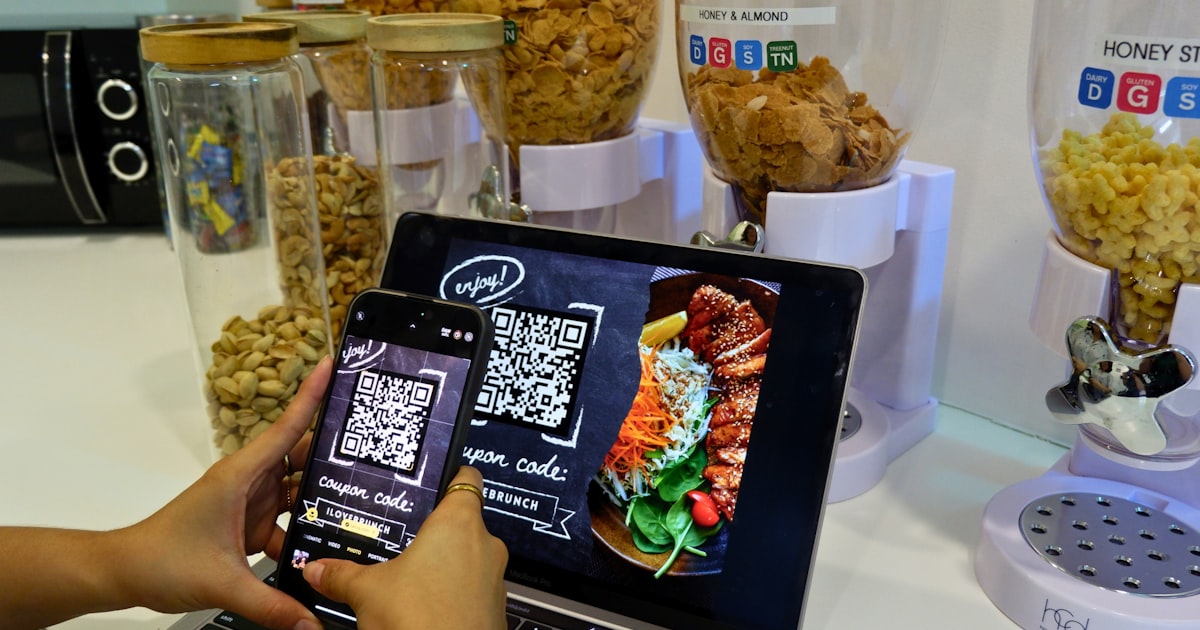
You display a QR code sticker at your counter: a small laminated card or a sticker on your till. A customer who wants to join points their phone camera at it. No App Store. No account creation form. No email verification. They follow your business in a single tap and they're instantly enrolled.
Their stamp card lives in the Blinko app, but that's Blinko's app, not yours. It handles loyalty infrastructure for hundreds of businesses. Your customer isn't downloading your app. They're using one they may already have, or installing a single app that works across every Blinko business they visit.
That distinction matters. Asking a customer to download a dedicated app is asking them to commit before they've decided they're a regular. Letting them tap a QR code meets them at the moment of intent: right after a positive experience, still standing in your space. Completely different ask.
Paper vs. App vs. QR: The Honest Comparison
| Paper stamp card | Branded app | QR-based (Blinko) | |
|---|---|---|---|
| Customer friction | Low (physical card) | High (download + account) | Very low (one camera tap) |
| Card loss / forgetting | Frequent | N/A | Never — digital |
| You can message customers | No | Yes (push notifications) | Yes (push notifications) |
| Win-back lapsed customers | No | Yes (if they kept the app) | Yes |
| Setup cost | Near zero | High (dev + maintenance) | Low (monthly subscription) |
| Analytics | None | Detailed | Detailed |
| Customer owns the card | Yes (they carry it) | Only if app installed | Always — tied to their account |
Paper stamp cards have one real advantage: near-zero friction at introduction. A QR-based program matches that and beats it on every dimension that determines whether loyalty actually compounds over time.
The Deeper Problem Loyalty Programs Don't Solve on Their Own
Here's the part most loyalty program guides skip.
A stamp card, however well designed, is a passive tool. It rewards customers who were already planning to return. It does almost nothing to influence the customer who's on the fence, the one who loved your cinnamon roll two weeks ago but has driven past three times without stopping.
A standalone loyalty program's success depends heavily on how strong the customer's intent already was. If someone was going to return anyway, the stamp card gives them a small bonus. If they weren't, it changes almost nothing.
That's the structural limitation of reward-only programs. It applies equally to paper cards, branded apps, and most third-party platforms.
Blinko is built around a different model, where the stamp card is the foundation but sits alongside a set of engagement campaigns designed to actively reach customers between visits and pull them back:
- broadcasts — send a direct message and photo to every customer who's ever visited your store. Not a social media post subject to an algorithm; a push notification delivered to every customer, immediately.
- Today's Special — push a time-limited offer that creates urgency on a slow afternoon.
- Win-Back Campaigns — automatically reach customers who haven't visited in 30, 60, or 90 days with a targeted offer, before they forget you exist.
- Welcome Offers — reward every new customer on their very first check-in, giving them an immediate reason to return before the memory of that first visit fades.
The combination matters. A loyalty program tells customers you'll be rewarded when you return. Engagement campaigns tell customers here's a reason to return right now. Together, they work both sides of the behavior: reinforcing the habit with rewards while actively rekindling intent through timely, personal messages.
A customer who visited three weeks ago and got a broadcast this morning about your new seasonal item isn't just passively enrolled in a loyalty programme. She's been reminded you exist, given something worth returning for, and offered a reward when she arrives. That's a meaningfully higher probability of walking back through the door.
What You Can Do With Enrolled Customers
Once a customer has followed your business via the QR code (no download required on their part), you have capabilities no paper stamp card can touch.
Push notifications that reach every customer. Not a percentage decided by an algorithm. Every customer who's scanned your QR code gets your broadcasts directly, as a notification, the moment you send them.
Automatic stamp tracking. Every check-in advances their progress without staff needing to remember anything or customers carrying anything. The card's always in their pocket because it's always in the app.
Lapsed customer recovery. When someone stops visiting, Blinko can automatically send a win-back offer after a threshold you define. Most businesses don't know which customers have drifted until it's too late.
Campaign performance you can actually see. Which offer drove the most redemptions this month? Which customers are one stamp away from a reward? The dashboard shows you the numbers without needing a data analyst.
How to Get Started
- Sign up at local.blinko.ai — the 15-day trial gives you full Business features
- Set up your first campaign — a stamp card takes under five minutes (step-by-step guide here)
- Download your QR sticker from the portal and place it at your counter
- The first customer who scans it is enrolled — they download the free Blinko app once (existing Blinko users connect instantly)
The paper stamp card was the right tool for a world where digital loyalty required a branded app. That world doesn't exist anymore. A loyalty program without an app, with all the reach, analytics, and engagement campaigns of a digital platform, is now a 30-minute setup for any local business.
The only question is how many customers walked out this week that you had no way to reach again.
Ready to turn walk-ins into repeat customers?
Join hundreds of local businesses using Blinko to build lasting loyalty — no apps, no friction.
Get Started Freearrow_forwardBlinko Team
The Blinko Local team helps small businesses grow with smart loyalty tools and local marketing strategies.


